
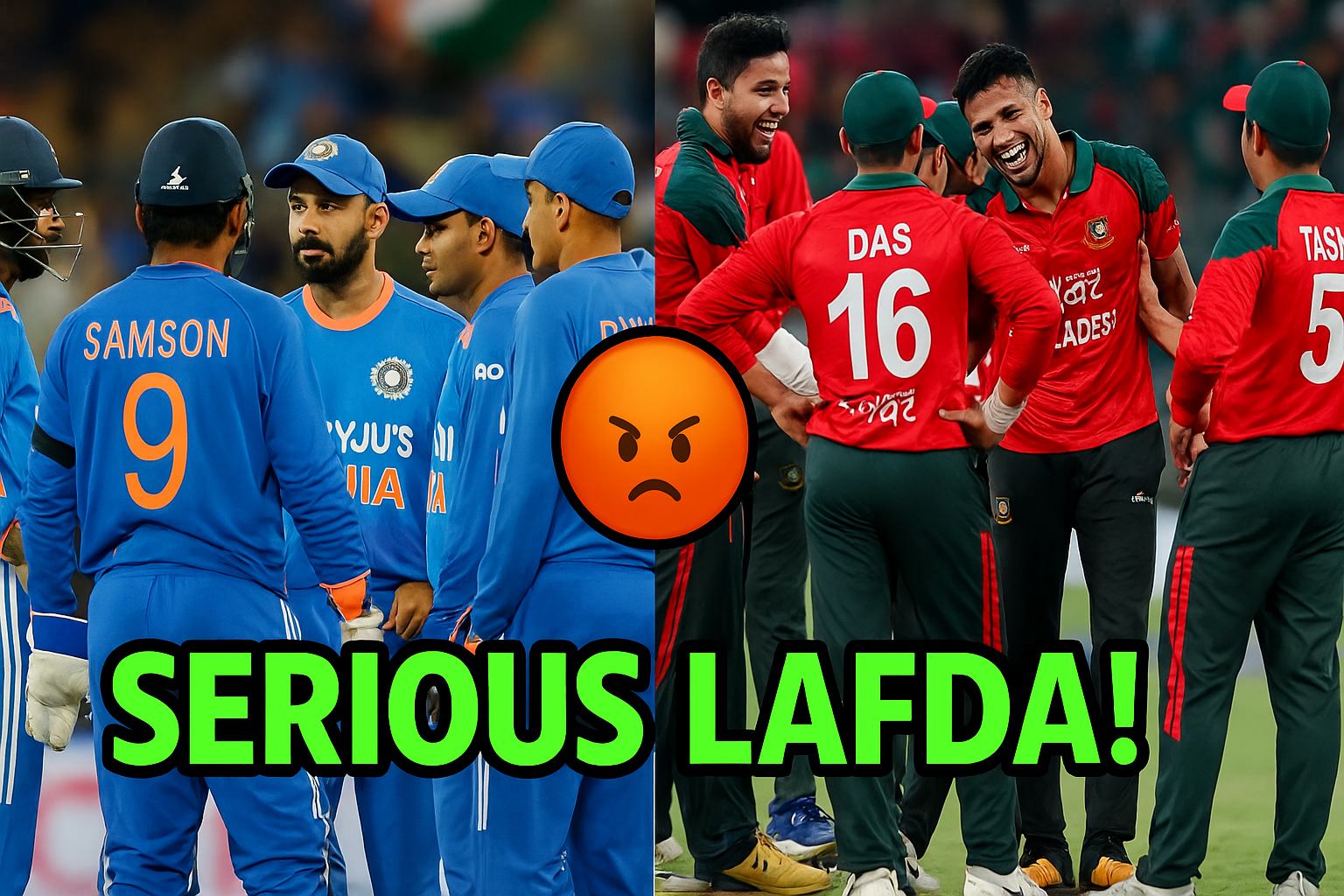
The Bangladesh Cricket Board (BCB) has officially informed the International Cricket Council (ICC) of its refusal to participate in the T20 World Cup 2026, hosted in India, citing the Mustafizur Rahman IPL controversy. This decision raises questions about ICC regulations, security concerns, and the future of bilateral cricket ties. Let’s break down the key aspects.
Background: Mustafizur Rahman and the IPL Fallout
The controversy stems from Kolkata Knight Riders (KKR) signing Bangladeshi pacer Mustafizur Rahman for ₹9.2 crore in the IPL 2024 auction. Amid escalating India-Bangladesh tensions, including reports of mistreatment of Indian nationals in Bangladesh, the BCCI directed KKR to release him. The BCB views this as an insult, prompting their boycott threat for the T20 World Cup starting February 7, 2026.
BCB officials have issued a press release and letter to the ICC, stating they will not travel to India. This mirrors Pakistan’s stance on not playing in India, with matches rescheduled to neutral venues like Sri Lanka.
ICC Rules on Participation and Boycotts
Participating teams in ICC tournaments, including the T20 World Cup, sign undertakings agreeing to play at designated venues. Key points from ICC regulations include:
- Mandatory Participation: Teams must attend and compete at the host country’s venues without imposing conditions.
- Security Exceptions: If genuine security concerns exist, teams can raise them. The ICC conducts assessments and may adjust schedules or venues if risks are verified.
- Consequences of Non-Participation: Refusal without valid proof could lead to sanctions, fines, or exclusion from future tournaments. The ICC might replace the team with another qualifier.
The ICC emphasizes that boycotts based on political disputes are not automatically accepted. Teams must provide evidence of threats, and the ICC evaluates them impartially.
Security Concerns: Bangladesh’s Claim vs. Reality
Bangladesh cites “security issues” as the primary reason for not traveling to India. However, experts question this, noting Bangladesh’s team participated in the 2023 World Cup in India without incidents. In 2014, they played a Test match in Kanpur, praising India’s hospitality.
Comparisons to Pakistan are relevant: Pakistan has boycotted India since 2008, but when they did play (e.g., 2023 World Cup), they received heightened security. Indian authorities provide robust protection for visiting teams, especially from neighboring countries.
Recent protests in India against atrocities in Bangladesh have been cited by BCB as potential threats. Yet, no official threats target the Bangladeshi team. The ICC would investigate any claims, but analysts argue Bangladesh’s stance is more retaliatory than security-driven.
Potential Outcomes and Implications
If Bangladesh persists, the ICC may demand proof of security risks. Without it, sanctions could follow, including fines or bans. Alternatively, the ICC might accommodate by shifting matches to neutral grounds, as done for Pakistan-India clashes.
This could set a precedent for other teams. Cricket governing bodies stress diplomacy; resolving the Mustafizur Rahman issue through dialogue might prevent escalation. For India, hosting a full tournament is crucial for revenue and prestige.
Experts suggest the BCB’s decision reflects broader geopolitical tensions, but cricket has historically bridged divides. A boycott could harm Bangladesh’s international standing.
Key Facts and Timeline
- T20 World Cup 2026 Dates: Starts February 7, hosted in India.
- BCB’s Announcement: Press release and ICC letter citing Mustafizur Rahman IPL removal.
- Precedent: Pakistan’s India boycott since 2008, with matches in neutral venues.
- Security Record: Bangladesh played in India in 2023 World Cup without issues.
- ICC Stance: Requires evidence for security exemptions; otherwise, participation is mandatory.
Expert Insights and Future Outlook
Cricket analysts, including former ICC officials, believe Bangladesh’s boycott is unlikely to succeed without concrete evidence. The ICC prioritizes tournament integrity, and political boycotts are rare. Diplomatic efforts between BCB and BCCI could resolve the issue.
As the 2026 World Cup approaches, updates on this saga will be crucial. For now, fans await ICC’s response. Stay informed with our cricket updates.
Disclaimer: This article draws from official statements and ICC guidelines. Cricket Insights upholds accuracy and neutrality in reporting.
Related Articles: Mustafizur Rahman IPL Controversy Explained | T20 World Cup 2026 Schedule